
What Sunroom Warranties Really Cover: Reading the Fine Print in Texas
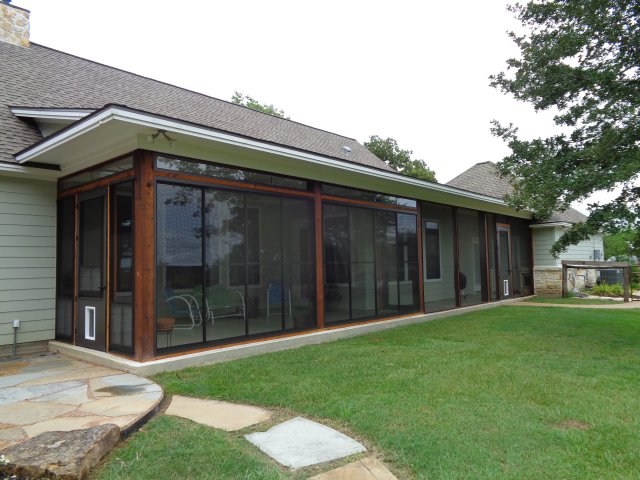
A new sunroom in Texas sounds simple until the warranty paperwork lands on the kitchen table. Leaks, foggy glass, and door issues are the moments when “limited warranty” stops being a phrase and starts being a bill.
This guide keeps it practical: what sunroom warranties usually cover in Texas, what they often exclude, and what to confirm before signing. In this guide, you will find what sunroom warranties really cover in Texas, and help you compare options from any local sunroom contractor in Texas.
Why Warranty Details Matter in Texas
Sunrooms in the Brazos Valley face strong sun, heavy rain, humidity, and hail risk. Those conditions can speed up wear on seals, finishes, and moving parts.
Also, Texas has warranty rules and time limits that affect how builders and contractors write their terms. So, the “standard warranty” language you see in a national brochure may not match what you sign locally.
What Kinds of Sunroom Warranties are there?
Most projects come with two different warranties. Each one covers a different type of problem.
Manufacturer Warranty (Product)
This comes from the company that makes the sunroom components. Coverage often includes:
- Glass units and insulated glass
- Vinyl or aluminum frames and posts
- Roof and wall panels
- Factory coatings or finishes
- Hardware like rollers, locks, and handles
Terms vary by part. Many manufacturers set different timeframes for glass seals, frames, versus hardware.
Installation or Workmanship Warranty (Labor)
This comes from the contractor who installs the sunroom. It usually covers:
- Assembly and fastening to the home
- Flashing and sealing where the roof and walls meet
- Fit and function of installed components
- Code and inspection compliance on the build
Workmanship coverage is often shorter than product coverage, commonly around 1–2 years on many home improvement projects.
Manufacturer vs. Installation Warranty (Quick Table)
Here’s the simplest way to think about it.
| Topic | Manufacturer warranty | Installation warranty |
| Who provides it | Product maker | Installing contractor |
| Main focus | Materials and factory defects | Workmanship and assembly |
| Typical issues | Fogged insulated glass, peeling finish, warped panels | Leaks at the roof tie-in, poor flashing, loose frames |
| Typical length | Often 10 years to lifetime, depending on the component | Often ~1–2 years, depends on contract |
| Who to contact first | Dealer or manufacturer | The contractor who installed it |
What does a Sunroom Warranty Usually Cover?
Most “good” warranties focus on defects, not wear from weather or missed upkeep.
Materials and Manufacturing Defects
Common coverage includes:
- Frames that peel, pit, flake, or corrode under normal residential use
- Roof or wall panels that delaminate earlier than expected
- Factory finishes that fail within their stated period (often several years)
Glass and Sealed Units
Glass sections often include:
- Insulated glass seal failure that causes fogging (time-limited, often a set number of years)
- Tempered safety glass breakage coverage in some residential warranties
- Limits on fading or discoloration coverage after a set term (often around 10 years on certain products)
Hardware and Moving Parts
Often covered for defects, sometimes for long periods:
- Door rollers and tracks
- Locks, handles, latches
- Window and screen components
What isn’t Covered (Where Most Surprises Happen)
Most warranty disputes come from exclusions. These are the usual ones to look for before signing.
- Labor costs: Many manufacturers’ warranties cover parts but not removal and reinstallation labor.
- Third-party products: Windows, doors, or accessories from another brand follow that brand’s warranty, not the sunroom system’s.
- Improper cleaning or neglect: Harsh cleaners, skipped maintenance, or ignored small leaks can void coverage on affected parts.
- Storm and environmental damage: Hail, wind, lightning, and soil movement are typically insurance claims, not warranty claims.
- Unapproved changes: Aftermarket tint, DIY repairs, structural changes, or added loads can cancel coverage.
Tip: Ask the contractor to point out the “Exclusions” and “Owner responsibilities” sections and explain them in plain language before you pay a deposit.
How Texas Rules and Permits Can Affect Your Warranty
Texas law and contract terms can shape timelines and responsibilities, especially in residential construction and warranty limits. For more info, check: Texas State Law Library warranty guide.
Also, sunrooms that change structure or add electrical work often require permits and inspections in Bryan and College Station. Final inspection and project completion dates may matter because many warranty periods start when the job is considered complete.
Maintenance Steps that Keep Coverage Valid
Many warranties stay valid only if basic care is documented and timely.
Focus on these:
- Clean gently: Avoid harsh chemicals and abrasive pads on vinyl and coated surfaces.
- Prep surfaces: Rinse off grit first, then clean, especially after pollen season and dust events.
- Check seals: Look for gaps, loose trim, or water staining after storms.
- Report quickly: Some warranties require notice within a short window after you spot a defect.
- Use approved service: Warranty work often must be handled by an authorized dealer or service provider.
Simple habit: keep a folder with the contract, warranty PDFs, photos of the finished install, and any maintenance notes.
Questions to Ask before Signing
A short Q&A up front prevents long calls later.
- What is covered by the manufacturer, and what is covered by the installer?
- Does the manufacturer cover labor, or only replacement parts?
- What maintenance is required to keep coverage valid (cleaners, schedule, records)?
- What’s the exact claims process and response timeline?
- Is the warranty transferable if the home is sold?
- Are storm-related failures ever covered, or always excluded?
- What specific events void coverage (tint film, DIY repairs, added loads)?
Ask for answers in writing, even if it’s just an email recap.
Warranty Transferability and Resale Value
Transferability helps if the home might be sold later. Some warranties transfer automatically, while others require forms, fees, or deadlines. If transfer matters, confirm the steps now, not during closing week.
FAQs
Do sunroom warranties cover leaks?
Sometimes. Leaks from poor flashing or installation often fall under workmanship coverage, while storm damage usually goes to homeowner’s insurance.
Are permits required for a sunroom in Bryan–College Station?
Often, yes, especially if the structure changes or electrical work is added. Check the City of Bryan and City of College Station permit pages for current rules and inspection steps.
Does a sunroom warranty cover hail damage?
Usually no. Hail is commonly treated as an insurance event, not a product defect.
What if bleach were used on vinyl or coated parts?
Harsh chemicals can damage finishes and may void coverage for affected parts. Many manufacturers set cleaning rules for that reason.
Is an extended service plan worth it?
It depends on what the base warranties already include, whether labor is covered, and how easy it is to get service locally. Checking independent consumer guidance on warranty rights can also help frame the decision.
Ready to Add a Sunroom with Confidence?
For over a decade, Sunspace Texas has helped Bryan-College Station homeowners build trustworthy outdoor living spaces. We provide comprehensive manufacturer warranties on sunroom materials and clear installation coverage.
We fully explain all warranty details and simple maintenance to protect your investment. Contact us for a no-pressure consultation and straightforward answers about coverage.