
Sunroom Design Inspiration: Ideas & Resources for Texas Homes
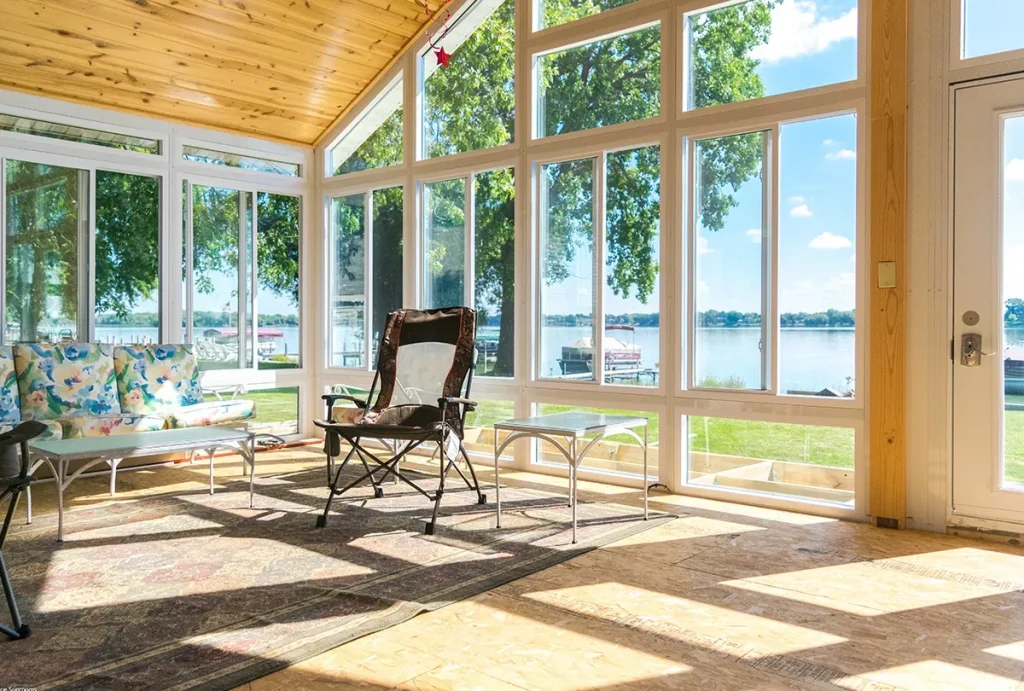
You’ve committed to adding a sunroom to your home. The structure, the size, the location, all of that is falling into place. But now comes the part that trips a lot of homeowners up: figuring out what the space should actually look and feel like. That blank-canvas moment can be exciting or overwhelming, depending on where you start.
The good news is that inspiration is genuinely easy to find once you know where to look. And for Texas homeowners, there are a few specific angles worth considering before you go browsing, because sunroom design here isn’t quite the same as what you’d find in a Pacific Northwest home or a New England cottage.
If you’re already at the stage of thinking through specifics, a quick conversation about Sunroom design Bryan-College Station options can help you connect ideas to what’s actually buildable in your space. Feel free to reach out when you’re ready.
Start With How You’ll Use the Space
Before you pull up a single mood board, it helps to get specific about function. A sunroom used mainly for morning coffee and reading looks very different from one that doubles as a home office, a playroom, or a year-round dining area. The design choices- furniture, lighting, flooring, window treatments, all follow from that primary purpose.
Think through these questions before you start gathering ideas:
- Who will use the space most often, and how?
- Do you want it to feel like an extension of the indoors or more like a sheltered outdoor room?
- How much furniture will you need, and does it need to withstand kids, pets, or frequent entertaining?
- Do you want a year-round climate-controlled space, or is a seasonal setup enough?
Answering these upfront keeps you from falling in love with a design style that doesn’t fit your actual lifestyle. A sleek, minimal aesthetic with delicate fabrics looks great in photos but won’t last a season with two dogs and a toddler.
Where to Find Sunroom Design Inspiration
Once you know what the room needs to do, start building a visual reference. These are the most useful places to look, and each has a different strength.
Your Existing Home’s Style
The most overlooked starting point is the house you already live in. Your sunroom will be most successful if it connects naturally to the rest of your home, in color palette, material choices, and overall feeling. Walk through your main living areas and note what you actually like. Is it the warm wood tones in your kitchen? The clean white walls in the living room? The mix of vintage and modern pieces throughout?
You don’t have to mirror the interior exactly, but the sunroom shouldn’t feel like it belongs to a completely different house. Some homeowners use the sunroom as a chance to introduce a slightly more relaxed or playful version of their existing style, which can work well.
Photo Platforms and Design Apps
Pinterest remains one of the most useful tools for gathering sunroom ideas. A search for ‘Texas sunroom,’ ‘screened porch design,’ or ‘sunroom decor’ will surface thousands of photos you can save and sort. Create a board specifically for your project and pin anything that catches your eye, even if you’re not sure why. Patterns will emerge.
Houzz is another strong resource, particularly because you can filter by region and architectural style. It also lets you see professional portfolios and read project notes, which gives you a better sense of what certain design decisions actually cost and require.
Instagram and TikTok are worth browsing too, especially for current style trends. Search hashtags like #sunroomdesign, #porchenclosure, or #texasoutdoorliving to find real homeowner builds alongside professional projects.
Local Project Galleries
Generic inspiration is helpful, but Texas-specific projects are more useful. When you look at sunrooms built in your actual climate, you start to see patterns in what works: screened systems that handle the heat well, flooring choices that don’t warp in humidity, roof styles that manage intense afternoon sun. Sunspace Texas maintains a project gallery of completed work in Central Texas homes. It’s worth browsing early in your planning process since the photos reflect real local conditions, not studio-staged ideals.
Your Own Neighborhood
It sounds obvious, but take a slow walk or drive around your neighborhood and pay attention to the porches, sunrooms, and enclosed patios you can see from the street. You may notice design choices that feel right at home in the local landscape, landscaping that flows into the enclosure, materials that complement the brick or stone exteriors common in Bryan-College Station neighborhoods, or proportions that feel scaled correctly for the lots here.
Common Sunroom Design Styles (and What They Work Best For)
Once you’ve gathered some reference images, you’ll probably find they cluster around a few recognizable styles. Here’s a quick breakdown of the most common ones and what each tends to work well for:
| Style | Key Features | Works Best For |
| Casual / Coastal | Rattan, linen, light neutrals, natural textures | Year-round relaxation spaces, homes near water |
| Modern / Minimalist | Clean lines, minimal decor, neutral palette | Home offices, quiet reading rooms |
| Farmhouse / Rustic | Shiplap, wood beams, warm earthy tones | Family gathering spaces, Texas ranch-style homes |
| Transitional | Mix of traditional and contemporary pieces | Multi-use rooms, homes with eclectic interiors |
| Botanical / Garden-Inspired | Abundant plants, natural light, earthy greens | Indoor gardens, hobby spaces, wellness retreats |
No style is off-limits, but some translate to sunroom use more naturally than others. Heavy, dark furnishings can make a sun-filled space feel closed-in. Very formal arrangements tend to feel stiff in a room meant for relaxed living. Light, durable, and easy-to-clean usually wins.
Texas-Specific Design Considerations
Bryan-College Station’s climate shapes sunroom design in ways that differ from most of the photos you’ll find online. Most sunroom inspiration content is produced in cooler parts of the country, where heat management isn’t the primary concern. Here, it is.
A few practical factors to keep in mind as you develop your design:
- Sun direction matters more here; a west-facing sunroom needs serious heat mitigation through tinted panels, shade trees, or motorized screens
- Flooring choices should handle temperature swings; concrete, tile, and AlumaDeck aluminum decking hold up better than wood or carpet in Texas conditions
- Light-colored walls and furnishings keep the space cooler and reduce glare
- Outdoor views are part of the design. If your backyard has mature trees, a greenscape, or a garden, build the layout around those sightlines
- Humidity-resistant materials matter, especially for anything close to screened walls or areas with airflow
If you’re still deciding between enclosure types, our comparison of screened porch vs. sunroom options for Texas homeowners walks through how different structures affect design possibilities; it’s worth reading before you finalize your vision.
Building Your Design Brief Before You Meet a Contractor
Most homeowners walk into a design consultation without a clear visual reference, which means the conversation has to start from scratch. Coming in with a small collection of images, even just 10 to 15 photos that show what you like, makes the whole process faster and more satisfying.
A useful design brief covers:
- Two or three photos that show the overall feel you’re after
- The primary function of the space
- Any non-negotiables (a specific window wall, a ceiling fan, a certain flooring material)
- Things you definitely don’t want
- Your approximate budget range
You don’t need to arrive with everything figured out. But having a visual starting point gives the contractor something concrete to respond to, and it keeps the design moving in a direction you’ll actually be happy with.
Frequently Asked Questions
What’s the best way to start designing a sunroom?
Start with function first, decide how you’ll use the space before you look at any design photos. Once you know the purpose, gather visual references from Pinterest, Houzz, or local project galleries. A small collection of 10 to 15 images that capture the feel you want is usually enough to start a productive conversation with a contractor.
Should my sunroom match the rest of my house?
It doesn’t need to be an exact match, but it should feel connected. Using similar color tones, complementary materials, and a consistent overall style keeps the sunroom from feeling like an afterthought. A slightly more casual or relaxed version of your home’s existing design language usually works well.
What design styles work best in Texas sunrooms?
Casual, coastal, and farmhouse styles tend to translate well because they favor light colors, natural textures, and durable materials, all practical choices in the Texas climate. Heavily formal or dark-colored designs can make a sun-filled space feel uncomfortable, especially in the summer months.
How do I design a sunroom that stays cool in Texas summers?
Choose light-colored walls and furnishings that reflect rather than absorb heat. Opt for tinted or Solar Cool acrylic panels if your sunroom has a lot of west or south-facing exposure. Good airflow through screened walls or motorized screens helps significantly, and a ceiling fan is almost always worth adding.
Can I use my existing furniture in a new sunroom?
It depends on the piece. Most standard indoor furniture holds up fine in an enclosed, climate-controlled sunroom. In a more open screened room with significant airflow and temperature variation, look for pieces with UV-resistant fabrics and frames that won’t warp or corrode. Rattan, aluminum, and treated wood are all solid choices.
Ready to Start Planning?
If you’re in Bryan-College Station and ready to turn your inspiration into a real space, Sunspace Texas is happy to walk through what’s possible for your home. We’ve been building sunrooms, porch enclosures, and outdoor living spaces in Central Texas for over a decade, and we can help you connect your design ideas to options that hold up in the local climate. Reach out whenever you’re ready for a no-pressure conversation.