
Best Sunroom Flooring Options for Texas Homes: A Complete 2026 Guide
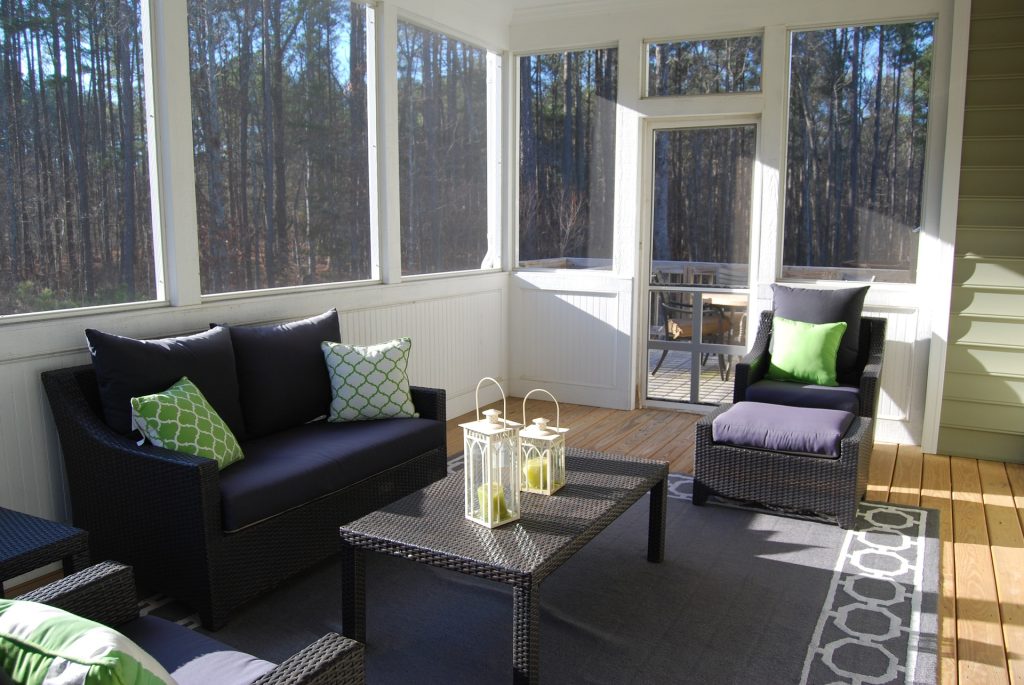
Choosing the right flooring for your sunroom is one of the most important and most overlooked decisions in the entire project. Get it wrong, and you’ll be dealing with warped boards, faded vinyl, cracked grout, or a room that feels more like a sauna than a retreat. Get it right, and you have a beautiful, low-maintenance space that holds up for decades.
In Texas, the stakes are even higher. Central Texas summers are relentless heat that builds all day, humidity that rolls in every evening, and UV exposure that can bleach and buckle materials not designed for it. The flooring that works great in a Minnesota sunroom may fail in a Bryan–College Station or Waco home within two to three seasons.
This guide covers every realistic sunroom flooring option in Texas, what each one handles well, where it falls short in the Texas climate, how much it costs, and which situations it’s best suited for.
What to Think About Before You Pick a Floor
Before comparing materials, get clear on three things:
- Is the sunroom fully conditioned (heated and cooled like the rest of your home), partially conditioned, or unconditioned?
This is the single biggest factor. An HVAC-controlled sunroom can support almost any flooring.
An unconditioned screen porch or three-season room needs something that handles
wild temperature swings without warping or fading. - How will you use the space? A playroom or pet hangout needs durability and easy cleanup. A quiet reading room prioritizes comfort underfoot. An entertainment space might prioritize aesthetics.
- What direction does the sunroom face? South- and west-facing rooms receive significantly more direct UV exposure. This accelerates fading in materials without UV-stable finishes.
Quick Comparison: All Options at a Glance
Use this table to narrow your choices before reading the full breakdowns below.
| Porcelain / Ceramic Tile | ★★★★★ | ★★★★★ | ★★★★★ | ★★★★☆ | $3–$8/sq ft | All-purpose TX sunrooms |
| Luxury Vinyl Plank (LVP) | ★★★★☆ | ★★★★★ | ★★★★★ | ★★★★★ | $2–$6/sq ft | Families, pets, budget builds |
| Natural Stone | ★★★★★ | ★★★★☆ | ★★★☆☆ | ★★★☆☆ | $8–$20/sq ft | Premium look, shaded rooms |
| Engineered Hardwood | ★★★☆☆ | ★★★☆☆ | ★★★★☆ | ★★★☆☆ | $5–$10/sq ft | Climate-controlled sunrooms |
| Laminate | ★★★☆☆ | ★★☆☆☆ | ★★★★☆ | ★★★☆☆ | $2–$5/sq ft | Budget-conscious, low moisture |
| Carpet | ★★☆☆☆ | ★★☆☆☆ | ★★☆☆☆ | ★★★☆☆ | $2–$5/sq ft | Cozy dens, climate-controlled |
| Outdoor Composite / Deck Tile | ★★★★★ | ★★★★★ | ★★★★☆ | ★★★★★ | $3–$10/sq ft | Screen rooms, open porches |
★★★★★ = Excellent ★★★★☆ = Good ★★★☆☆ = Fair ★★☆☆☆ = Limited ★ = Not recommended. Cost ranges are installed estimates and vary by region and material grade.
The Best Sunroom Flooring Options for Texas
1. Porcelain and Ceramic Tile: The Texas-Proof Standard
Tile is the go-to choice for sunrooms in Texas and for good reason. It tolerates everything the climate throws at it: direct UV, high heat, humidity, rain splash from open windows or screens. It won’t warp, won’t fade, and won’t buckle. Sweep it, mop it, done.
Porcelain vs. ceramic: Porcelain is denser and harder than standard ceramic, making it better for high-traffic areas and spaces with any potential moisture exposure. Both are excellent choices for sunrooms. Ceramic tiles are typically more affordable and easier to cut; porcelain is harder-wearing and more moisture-resistant long-term.
The heat issue: Darker tiles absorb heat from direct sunlight and can become quite warm underfoot. If you’re barefoot in a south-facing sunroom in July, dark tile can be uncomfortable. Choose lighter or medium tones for rooms with significant direct sun exposure, or plan for area rugs in seating areas.
The cold issue: Tile can feel cold underfoot in winter, especially in an unconditioned space. Area rugs solve this easily and add warmth and visual softness to the room.
Slip safety: Look for tiles rated R10 or higher for slip resistance, especially if the room has any chance of moisture from open windows, plants, or nearby pool traffic.
2. Luxury Vinyl Plank (LVP): Best All-Around Value
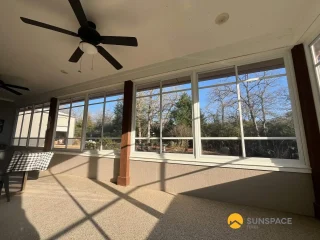
Luxury vinyl plank has become the most popular flooring choice nationwide for a reason. It mimics the look of hardwood beautifully, costs significantly less, and is genuinely waterproof, not just water-resistant. For Texas sunrooms, it offers an excellent balance of affordability, durability, and comfort underfoot.
UV warning: Standard LVP can fade and even warp under prolonged direct UV exposure. If your sunroom gets significant direct sun, look specifically for UV-stabilized or UV-resistant LVP products. Low-E glass in your sunroom helps significantly, as it filters UV rays before they hit the floor. Ask your Sunspace Texas installer about glazing options if UV protection is a concern.
Temperature range: Most LVP is rated for temperatures between 50°F and 100°F during installation and use. In an unconditioned Texas sunroom, interior temperatures can exceed this on peak summer days. For fully unconditioned spaces, tile or outdoor composite is a safer choice.
Comfort advantage: Unlike tile or stone, LVP has a slight give underfoot and doesn’t conduct heat or cold as aggressively. It’s warmer than tile in winter and softer underfoot year-round a meaningful difference if the room gets heavy daily use.
💡 Best for: Conditioned or climate-controlled sunrooms. Excellent for families with kids and pets. Avoid in fully unconditioned rooms that regularly exceed 100°F.
3. Natural Stone: Premium Look, Higher Maintenance
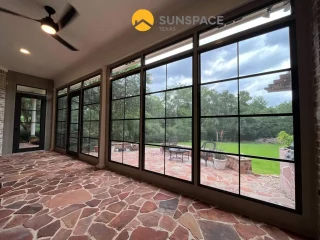
Granite, slate, travertine, and limestone bring an undeniable sense of elegance and permanence to a sunroom. Natural stone is highly durable, handles heat and humidity well, and each piece is unique. It’s an investment in both cost and ongoing care.
The sealing requirement: Most natural stone is porous and must be sealed before use and re-sealed periodically (typically every one to three years depending on stone type and traffic). Without sealing, stone will absorb moisture, stains, and potentially grow mould or efflorescence. In Texas humidity, this is not optional maintenance.
Slip hazard: Polished natural stone can be slippery, especially when wet. Choose honed or brushed finishes for sunroom applications where moisture may be present.
Heat performance: Like tile, natural stone absorbs heat from direct sunlight. Lighter stones reflect more light and stay cooler. In shaded or north-facing sunrooms, stone stays at a comfortable temperature year-round.
💡 Best for: Premium builds where budget is not the primary concern. Works beautifully in shaded sunrooms or rooms with good UV-filtering glass. Requires commitment to regular sealing.
4. Engineered Hardwood: Hardwood Look Without the Risk (With Caveats)
Solid hardwood in a Texas sunroom is a gamble; the combination of direct sun, humidity fluctuations, and temperature swings causes solid wood to expand, contract, cup, and eventually warp. Engineered hardwood is a better option, but it still requires a controlled environment.
Engineered hardwood consists of a real wood veneer over multiple layers of plywood or composite. This construction resists expansion and contraction better than solid wood, giving it significantly improved dimensional stability.
The climate control requirement: For engineered hardwood to perform reliably in a sunroom, the room should be fully conditioned, heated in winter and cooled in summer and ideally kept between 60°F and 80°F with humidity levels between 35% and 55%. If your sunroom is not climate-controlled, skip engineered hardwood.
UV protection: All wood floors, including engineered, will fade with prolonged direct UV exposure. Low-E glass, UV-filtering window film, or Sunspace’s specialty glazing options significantly extend the life and appearance of wood-look floors in sunrooms.
Maintenance: Unlike tile or vinyl, engineered hardwood cannot be mopped with standing water. Clean with a barely damp cloth and use flooring-specific cleaners. It should be recoated or refinished periodically.
💡 Best for: Fully conditioned, climate-controlled sunrooms where temperature and humidity are maintained year-round. Not recommended for screen rooms, three-season rooms, or unconditioned sunrooms in Texas.
5. Laminate Flooring: Budget-Friendly With Significant Limitations
Laminate offers the visual appeal of hardwood or stone at a much lower price point. It’s scratch-resistant, relatively easy to maintain, and comes in a wide range of styles. For sunrooms specifically, however, laminate has meaningful limitations that you should understand before choosing it.
Moisture vulnerability: Standard laminate is not waterproof. The core layer can swell, buckle, and delaminate when exposed to moisture. Water-resistant laminate products are better, but even these are not designed for environments with consistent humidity exposure. In Central Texas, where summer humidity regularly tops 80%, laminate in an unconditioned or partially conditioned sunroom is a risk.
Heat and UV: Laminate can fade under prolonged UV exposure and may warp in high heat. In a fully conditioned sunroom with UV-filtering glass, these risks are manageable. In any other sunroom configuration in Texas, they are a real concern.
💡 Best for: Conditioned sunrooms with low moisture exposure. If budget is a driver and the room is climate-controlled, laminate can work. In all other scenarios, LVP offers similar aesthetics with significantly better performance.
6. Carpet: Cozy and Comfortable, With Conditions
There’s a reason people sometimes choose carpet for sunrooms: it’s warm, soft, and comfortable underfoot in a way that tile and vinyl simply are not. A sunroom used as a reading nook, yoga space, or playroom benefits from the cushion and acoustic softness carpet provides.
The humidity problem: Carpet in a humid Texas climate is a maintenance commitment. High humidity encourages mold, mildew, and odor in carpet fibres, especially if the room has any moisture ingress from open windows or doors. Carpet is only appropriate in sunrooms that are fully climate-controlled and sealed against outside air.
Cleaning demands: Carpet requires regular vacuuming and periodic deep cleaning. Pet hair, allergens, and tracked-in dirt accumulate in carpet fibres in ways they don’t on hard surfaces. In a sunroom that serves as a mudroom buffer or pet hangout, carpet is a poor choice.
Stain and UV resistance: Look for solution-dyed carpet if you go this route; it has significantly better UV and stain resistance than surface-dyed alternatives. Stain-resistant treatments also help in a room that gets heavy use.
💡 Best for: Fully conditioned, low-moisture sunrooms used as dens, reading rooms, or play areas. Not appropriate for screen rooms, unconditioned spaces, or homes in humid climates without reliable HVAC in the sunroom.
7. Outdoor Composite and Deck Tile: For Screen Rooms and Open Porches

If your project is a screened porch, an open porch enclosure, or a room that bridges indoor and outdoor environments, standard indoor flooring is the wrong category entirely. Outdoor composite decking tiles, porcelain outdoor tiles, and similar products are purpose-built for this application.
Composite decking tiles: Snap-together composite tiles made from wood-plastic composite or 100% PVC can be installed over existing concrete slabs, making them ideal for porch conversions. They handle rain, temperature extremes, and UV exposure without fading, warping, or rotting.
Outdoor-rated porcelain: Large-format outdoor porcelain tiles (often 20mm thick) provide the clean, modern look of tile with frost resistance and slip ratings appropriate for partially exposed spaces. They’re excellent for covered porches and screen rooms.
💡 Best for: Screened porches, open porch enclosures, and patio covers where the floor may be exposed to rain, temperature extremes, or standing water.
Which Flooring Is Right for Your Situation?
Use this quick-reference guide to match your specific needs to the best flooring option:
| My sunroom is unheated/uncooled | Porcelain tile or outdoor composite |
| I have kids and/or pets | Luxury vinyl plank (LVP) |
| I want a premium, upscale look | Natural stone or engineered hardwood |
| Budget is tight | LVP or laminate (if low moisture) |
| I hate cleaning / want low maintenance | Porcelain tile or LVP |
| I want a cozy, indoor feel | Carpet or engineered hardwood (climate-controlled only) |
| My sunroom is a screened porch | Outdoor composite tile or porcelain |
Texas-Specific Considerations
UV Exposure and Fading
Texas sun is intense. Flooring in a sunroom receives far more UV exposure than standard interior flooring. For any material that can fade vinyl, laminate, carpet, wood UV-filtering glass is one of the most effective investments you can make. Sunspace Texas’s glazing options include coatings that significantly reduce UV transmission without noticeably reducing natural light.
Thermal Expansion in Extreme Heat
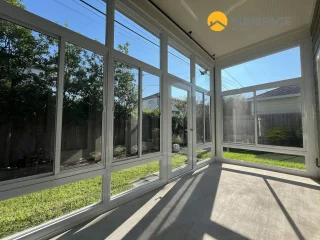
Materials expand in heat and contract in cold. In Texas, the delta between summer peak temperatures (interior sunroom surfaces can exceed 120°F in direct sun) and winter lows is significant. Hardwood, laminate, and even some LVP products can buckle if installed with inadequate expansion gaps or if they exceed their rated temperature range. Always follow manufacturer installation guidelines and discuss thermal conditions with your installer.
Humidity and Moisture Management
Central Texas humidity averages 65–75% in summer months. Materials with good moisture resistance, such as tile, LVP, and outdoor composite, handle this without issue. Carpet, laminate, and solid hardwood all require moisture management to perform reliably. If your sunroom is not fully conditioned with HVAC, choose materials from the moisture-resistant category.
The Foundation Matters Too
Whatever flooring you choose, the subfloor condition is equally important. Sunroom additions are typically built on concrete slabs or over existing porch decks. Concrete should be tested for moisture vapour emission before any sunroom flooring installation. Moisture vapor rising through a concrete slab is a common cause of flooring failure in Texas and is often overlooked until damage is done. A professional installer will test and, if necessary, apply a vapour barrier before installation.
Frequently Asked Questions
What is the best flooring for a sunroom in Texas?
For most Texas homeowners, porcelain tile or luxury vinyl plank are the best choices. Both handle heat, humidity, and UV exposure well, are easy to maintain, and are available at a wide range of price points. The best specific choice depends on whether your sunroom is conditioned, how you’ll use it, and your aesthetic preferences.
Can you put hardwood floors in a sunroom in Texas?
Solid hardwood is not recommended for sunrooms in Texas due to the risk of warping, cupping, and fading from heat, humidity, and UV exposure. Engineered hardwood is a better option but still requires a fully conditioned room with consistent temperature and humidity control. If you love the wood look, UV-resistant luxury vinyl plank replicates it convincingly without the maintenance risks.
Is tile too cold for a sunroom floor in Texas?
In winter, tile can feel cold underfoot, especially in unconditioned or semi-conditioned rooms. The practical solution is area rugs in seating and lounging areas. The cold-floor concern is a minor inconvenience in Texas given how few months the state experiences genuinely cold weather; tile’s year-round performance advantages outweigh this.
What flooring is best for a screened porch or patio enclosure in Texas?
For screen rooms and open porch enclosures, standard indoor flooring is not appropriate. Outdoor-rated porcelain tile (20mm), outdoor composite decking tiles, or concrete coatings are the right category. These materials are designed to handle rain, temperature extremes, and the freeze-thaw cycles that occur even in Central Texas winters.
How much does sunroom flooring cost to install in Texas?
Installed flooring costs in the College Station, Bryan, and Waco area typically range from $2–$5 per square foot for laminate or budget LVP, $3–$8 for standard tile or mid-range LVP, $5–$10 for engineered hardwood, and $8–$20+ for natural stone. These are ballpark figures; actual costs depend on room size, subfloor condition, material grade, and labour rates.
How do I protect my sunroom floors from UV damage?
The most effective protection is UV-filtering glass or glazing, which reduces UV transmission before it reaches your floor. Low-E glass is standard in quality sunroom builds. For existing floors, UV-resistant area rugs, window film, and regular application of UV-protective finishes (on wood products) all help. At Sunspace Texas, our glazing options are designed specifically to protect interior finishes from the Central Texas sun.
Do I need to do anything special to the subfloor before installing sunroom flooring?
Yes. The subfloor should be inspected for levelness, moisture, and structural integrity before any flooring goes down. Concrete slabs should be tested for moisture vapour emission. In sunroom additions, the transition between the slab and any adjacent flooring should be carefully managed. Have a professional assess the subfloor; it’s much cheaper to address issues before installation than after.
Ready to Choose Your Sunroom Flooring?
Every sunroom is different, and the best flooring for your space depends on how the room is built, how it’s conditioned, how you’ll use it, and what aesthetic you’re going for. The good news: you don’t have to figure it out alone.
Sunspace Texas serves homeowners throughout College Station, Bryan, Waco, and surrounding Central Texas communities. We’ll walk you through every decision from the sunroom structure itself to flooring, glazing, and finishing details, so you end up with a space you’ll enjoy for years to come.