
What to Expect During Sunroom Installation: Complete Timeline Guide
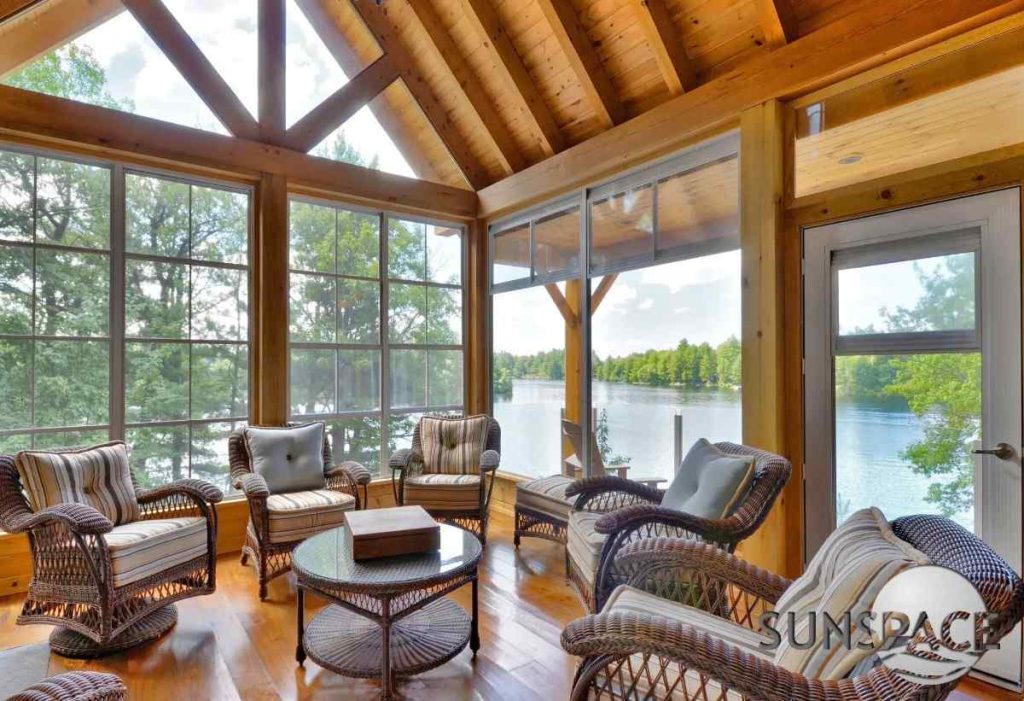
Planning a sunroom in College Station raises a few basic questions: how long it will take, how disruptive it will be, and what happens first.
This guide explains each phase, the usual timeline, and what’s happening at your home from the first visit to move‑in.
If a second opinion would help, a quick chat with a trusted Sunroom builder in College Station, TX can also confirm your timeline and budget.
How Long Does Sunroom Installation Take in College Station?
Most projects in Bryan–College Station follow the same pattern. Planning and permits take the longest, while on‑site construction often finishes in one to three weeks.
| Phase | What Happens | Typical Duration in BCS* |
| Design, contract, permits | Site visit, drawings, engineering, permit review | 3–8 weeks |
| Ordering and production | Materials ordered or custom pieces made | 2–4 weeks |
| Site prep and foundation | Layout, digging, forms or piers, slab or floor system | 2–5 days |
| Framing and roof | Walls framed, tied into the house, roof built, and weather-tight | 4–6 days |
| Windows, doors, glazing | Units set, sealed, and insulated where needed | 1–3 days |
| Electrical, HVAC, finishes | Wiring, heating/cooling, drywall or panels, trim, flooring, paint | 4–7 days |
| Inspections and final walkthrough | City inspections, punch list, cleaning, handoff | 1–3 days |
*Weather, soil, design, and inspector schedules in College Station can change these ranges, and local rules often follow versions of the International Residential Code.
Phase 1: Design, Site Visit, and Permits
This phase sets the footprint, roof style, and whether the room is three‑season or four‑season, plus how it ties into your home. The contractor measures the house, checks the patio or deck, reviews setbacks and drainage, and prepares drawings and structural notes for permits. In Bryan–College Station, heat and strong sun, glass type, shading, and cooling strategy matter a lot.
Contractor Tasks:
- Check framing, patio, or deck for load capacity.
- Finalize layout, roof style, and window/door locations.
- Prepare and submit permit plans.
- Order the sunroom system or framing after approval.
Homeowner Tasks:
- Choose flooring, wall finishes, and window styles early.
- Confirm budget and payment milestones.
- Plan for pets, kids, and routines during noisy days.
Phase 2: Site Prep and Foundation Work
Once permits and materials are ready, work starts on the base under your sunroom. This may be a new slab, helical piers with a framed floor, or upgrades to an existing patio that already meets code.
Expect digging, saw noise, and limited access to the work area while crews also shape drainage for College Station clay soils and heavy rain.
Phase 3: Framing, Roof, Windows, and Doors
Here, the room takes shape. Crews frame the walls, tie the roof into the house, and add flashing and weather barriers to keep water out.
Then they set windows and doors, square and fasten them, and seal joints for air and water control. Four‑season rooms also get insulation inthe roof and walls,s plus low‑E, argon‑filled glass for College Station summers and cooler days.
Phase 4: Electrical, HVAC, and Finishes
With the shell dry, licensed trades handle the systems. Electricians run wiring for outlets, lights, and fans, and HVAC techs add a mini‑split or extend existing equipment when possible.
The crew then closes walls, installs trim, lays suitable flooring, and paints or finishes surfaces. This is detailed work, often done in shorter visits as each trade finishes its list.
Inspections, Cleanup, and Move‑in
Local rules usually require inspections for footings, framing, electrical, insulation, and a final check. The contractor schedules these and meets the inspector.
After approval, the crew cleans up, removes debris, and does a walkthrough to confirm doors, windows, outlets, and finishes work as expected.
You also get simple care tips for sealants, gutters, and seasonal checks so the room stands up to storms and long sun exposure, and then it’s ready for furniture or a workspace.
Common Delays and How to Avoid Them
Some issues often stretch timelines.
Typical slow‑downs:
- Heavy rain affects digging, concrete, or roofing.
- Permit backlogs or resubmittals.
- Packed inspection schedules.
- Late design changes to structure, glass, or electrical.
To reduce delays, lock design choices before ordering, keep the electrical panel accessible, and maintain clear paths for crews. In College Station, planning around rainy spells and big local events also helps with deliveries and inspections.
Getting Your Home Ready for Installation Days
Simple prep makes the build smoother and safer.
Before work starts, it helps to:
- Move grills, furniture, and planters from the work area and access path.
- Decide where pets will stay during noisy or open‑door times.
- Let close neighbors know about trucks and extra parking.
- Ask for typical crew hours so you can plan calls and quiet time.
Sunroom Installation FAQs
How long does a sunroom installation usually take from start to finish?
Most projects run two to three months from design to final inspection, with one to three weeks of active on‑site work.
Can you stay in the home during the build?
Yes, most owners stay, adjusting to noise, parking, and short periods when doors or power are affected in the work area.
How much does College Station’s weather affect the schedule?
Rain, humidity, and heat can shift tasks like concrete work and roofing, so local contractors build some weather flex into timelines.
Do sunrooms have to meet local building codes?
In most cases, yes; sunrooms must meet structural, electrical, and energy rules, often based on the International Residential Code.
When should the HOA be involved?
For homes with an HOA, it’s best to involve them in the design phase, since many ask to review drawings and finishes before permit work starts.
Next Steps For Your Sunroom Project
You now have a clear view of what to expect during sunroom installation, from design to final inspection. With this in mind, it’s easier to match the process to your yard, budget, and schedule.
A good next move is to compare this timeline with one or two quotes. Ask each builder how they handle College Station soil, drainage, codes, and possible delays.
For a low‑pressure review, you can request a short call with a Sunspace Texas outdoor living specialist and use this checklist during the conversation.