
Acrylic Sunroom Roofs in Texas: Benefits, Cost & What to Expect
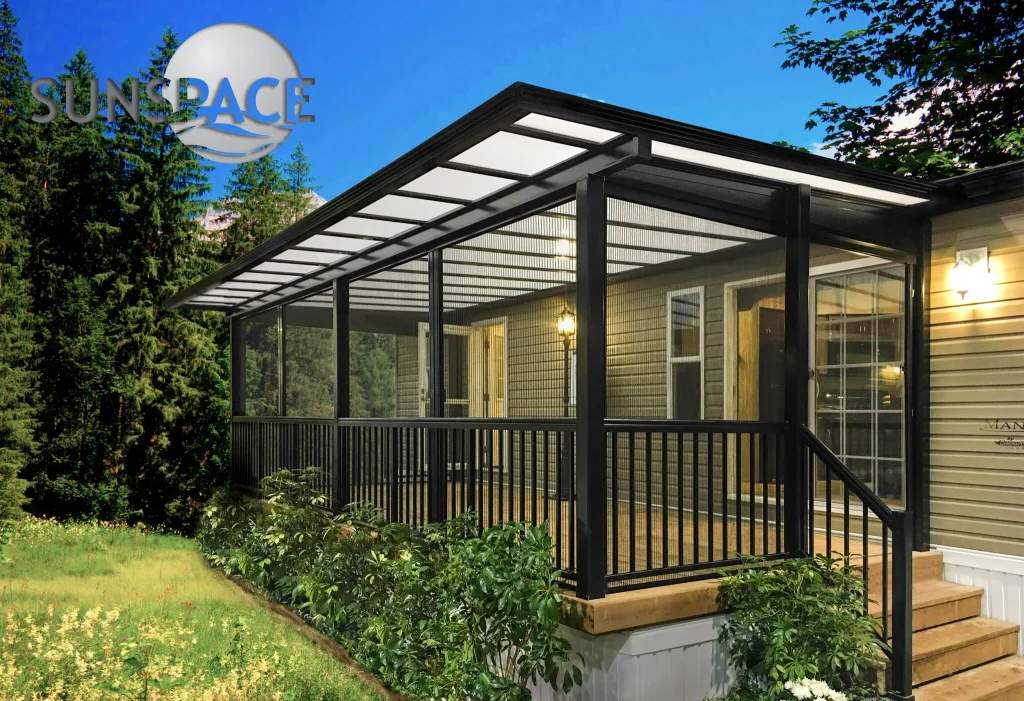
If you’re adding a sunroom or patio cover to your Bryan-College Station home, the roof is one of the most important decisions you’ll make. It affects how much light comes in, how hot the space gets, and how well it holds up over years of Texas weather. Acrylic roofing has become a go-to option for a lot of homeowners here, and for good reason.
This guide breaks down what acrylic roofs actually are, how they compare to other roofing options, what they cost, and which situations they work best in. If you’re trying to figure out whether acrylic is right for your project, this should give you a clear picture.
Want a quick conversation about your specific setup? Reach out to the sunroom builders in Bryan-College Station at Sunspace Texas, no pressure, just practical guidance.
What Is an Acrylic Sunroom Roof?
An acrylic sunroom roof uses translucent or tinted polycarbonate-style acrylic panels in place of solid roofing materials. Unlike traditional shingles or metal roofing, acrylic lets natural light pass through while still protecting the space below from rain, wind, and UV radiation.
These panels are custom-cut to fit the structure and come in several tint options. Some let in more light and warmth; others are designed to filter out heat while keeping the space bright. The right choice depends on how you plan to use the space and how much sun exposure your home gets throughout the day.
Why Acrylic Works Well in the Texas Climate
Texas heat is relentless from late spring through early fall. A roof that traps heat makes a sunroom or covered patio unusable for half the year. Acrylic panels, especially tinted options, reduce heat transmission without blocking the light that makes these spaces so appealing.
Here’s what makes acrylic a practical fit for Central Texas:
- 100% UV protection built into the material, protecting furniture, flooring, and your skin
- Retains up to 90% light transmission and clarity for 30 years
- Impact-resistant surface holds up against hail and debris
- Fade-resistant finish that doesn’t yellow or cloud over time
- Low maintenance; no painting, sealing, or special treatments needed
The panels also work well on sloped roof structures, which helps with rain runoff. That’s not a small thing in a region where afternoon thunderstorms can drop inches of rain in under an hour.
Acrylic Roof Options: Comparing Panel Types
Not all acrylic roofing is the same. Sunspace Texas offers a few different options depending on how much light and heat control you want. Here’s a simple breakdown:
| Panel Type | Light Transmission | Heat Control | Best For |
| Standard Acrylic | High | Moderate | Shaded or north-facing spaces |
| Solar Cool Tint | Moderate | Good | Sun-exposed spaces, year-round use |
| Heat Stop Tint | Lower | Excellent | Full-sun patios in hot climates |
| Hybrid (Acrylic + Solid Panels) | Customizable | Excellent | Maximum flexibility and comfort |
The Hybrid option is worth noting separately. It combines clear acrylic sections with solid, thermally insulated roof panels. You get to decide how much of the ceiling lets in light and where. It’s a great option if you want bright areas over a seating zone but more shade over a dining or work area.
What Does an Acrylic Roof Cost?
Pricing varies based on the size of the structure, the panel type selected, and how the roof integrates with your existing home. As a general guide:
- Standard acrylic panel systems are typically the most affordable option compared to glass or solid roofing
- Hybrid systems with insulated panels cost more but reduce the need for additional cooling
- Installation is often faster than full roofing jobs since panels are custom-manufactured and designed for efficient assembly
The bigger financial picture is worth considering here, too. Because acrylic roofs don’t require repainting or sealing, ongoing maintenance costs are minimal. You’re not dealing with cracked shingles, rusting metal, or faded coatings down the line. That long-term performance is part of why these systems make financial sense for Texas homeowners who want a space they can actually use.
For a side-by-side look at how sunroom additions affect home value and return on investment, our sunroom ROI guide for Texas homeowners covers the numbers in detail.
How Acrylic Roofs Hold up Against Texas Weather
One of the most common questions we hear is whether acrylic can handle hail. It’s a fair concern in Central Texas, where severe storm seasons bring hail regularly to the Bryan-College Station area.
Sunspace acrylic panels are impact-resistant by design. They’re not going to shatter the way thin plastic might, and they don’t dent or pit like metal roofing can. They’re also UV-stable, meaning the material itself doesn’t break down from sun exposure. The 30-year clarity guarantee on Sunspace systems reflects that durability.
Wind is another consideration. Properly installed acrylic panels sit within a framed aluminum structure, which keeps them secure without the flex and rattle you’d get from panels that aren’t anchored well.
Is an Acrylic Roof Right for Your Project?
Acrylic roofing fits some projects better than others. Here’s a quick way to think through it:
Acrylic is a Strong Choice If:
- You want natural light in the space without a greenhouse feel
- The porch or patio faces south or west and gets heavy afternoon sun
- You’re building over an existing deck or patio slab and want a lighter structural load
- You want a low-maintenance solution that won’t require seasonal upkeep
- You’re adding a pergola cover or a freestanding patio structure
You Might Consider Other Options If:
- You want a fully insulated, four-season room that functions like an interior living space
- The space needs to be completely weatherproof for heated or air-conditioned use year-round
- Your HOA or local building codes restrict translucent roofing materials
In cases where you need full insulation and climate control, a solid insulated roof is usually the better fit. That said, many homeowners combine an acrylic patio cover with a separately enclosed sunroom space, which gives them both the bright outdoor-feel area and the all-season room.
Frequently Asked Questions
How long do acrylic sunroom roofs last?
Sunspace acrylic systems are backed by a 30-year clarity and performance guarantee. The material is UV-stable and doesn’t yellow or degrade the way lower-grade plastics do. With normal care, these roofs outlast most other roofing alternatives.
Can acrylic roofs handle Texas hail?
Yes. Sunspace acrylic panels are impact-resistant and designed to handle the kind of hail common to Central Texas. They won’t shatter or crack under normal hail conditions, though extreme events can affect any roofing material.
Do acrylic roofs get hot inside in summer?
It depends on the panel type. Standard clear acrylic lets in more heat, while Solar Cool and Heat Stop tints significantly reduce heat transmission. For spaces in full sun, a tinted or hybrid panel system will keep the area much more comfortable during Texas summers.
Is an acrylic roof the same as a polycarbonate roof?
They’re similar in concept but different in material composition. Acrylic (PMMA) and polycarbonate are both translucent roofing options, but acrylic generally offers better clarity retention, UV stability, and a more finished appearance over time. Sunspace systems use acrylic specifically for these long-term performance reasons.
Can an acrylic roof be added to an existing porch or pergola?
In most cases, yes. Sunspace acrylic systems are designed to adapt to most existing roof structures. A site visit helps confirm the structural requirements, but it’s one of the more flexible roofing options available for retrofit applications.
Talk to a Local Expert Before You Decide
If you’re weighing roofing options for a sunroom, porch enclosure, or patio cover in Bryan-College Station, it helps to talk through the specifics with someone who’s seen how different setups perform locally. Sunspace Texas has been serving Central Texas homeowners for over a decade, and we’re happy to walk through your options without any sales pressure. Reach out whenever you’re ready for a conversation.